October 28, 2026
A roof protects a home from rain, wind, sunlight, temperature changes, and other outdoor conditions, but even a well-built roofing system requires attention over time. Shingles can loosen, flashing can deteriorate, leaks can develop, and older materials may eventually reach the end of their useful life. Working with a qualified roofing contractor can help homeowners understand what their roof needs and whether repair, replacement, or ongoing maintenance is the appropriate response.
Material selection also plays an important role in roofing performance. According to Market Reports World, asphalt shingles accounted for 47.6% of all roofing unit installations worldwide in 2024, while fiberglass-based products represented 78.5% of those asphalt shingle installations. With so many homes relying on asphalt systems, professional evaluation and care remain especially important. Roofing professionals can inspect existing conditions, identify developing problems, recommend suitable materials, and help homeowners plan for both immediate and long-term roofing needs.
Providing Professional Roof Inspections
Identifying Visible Damage
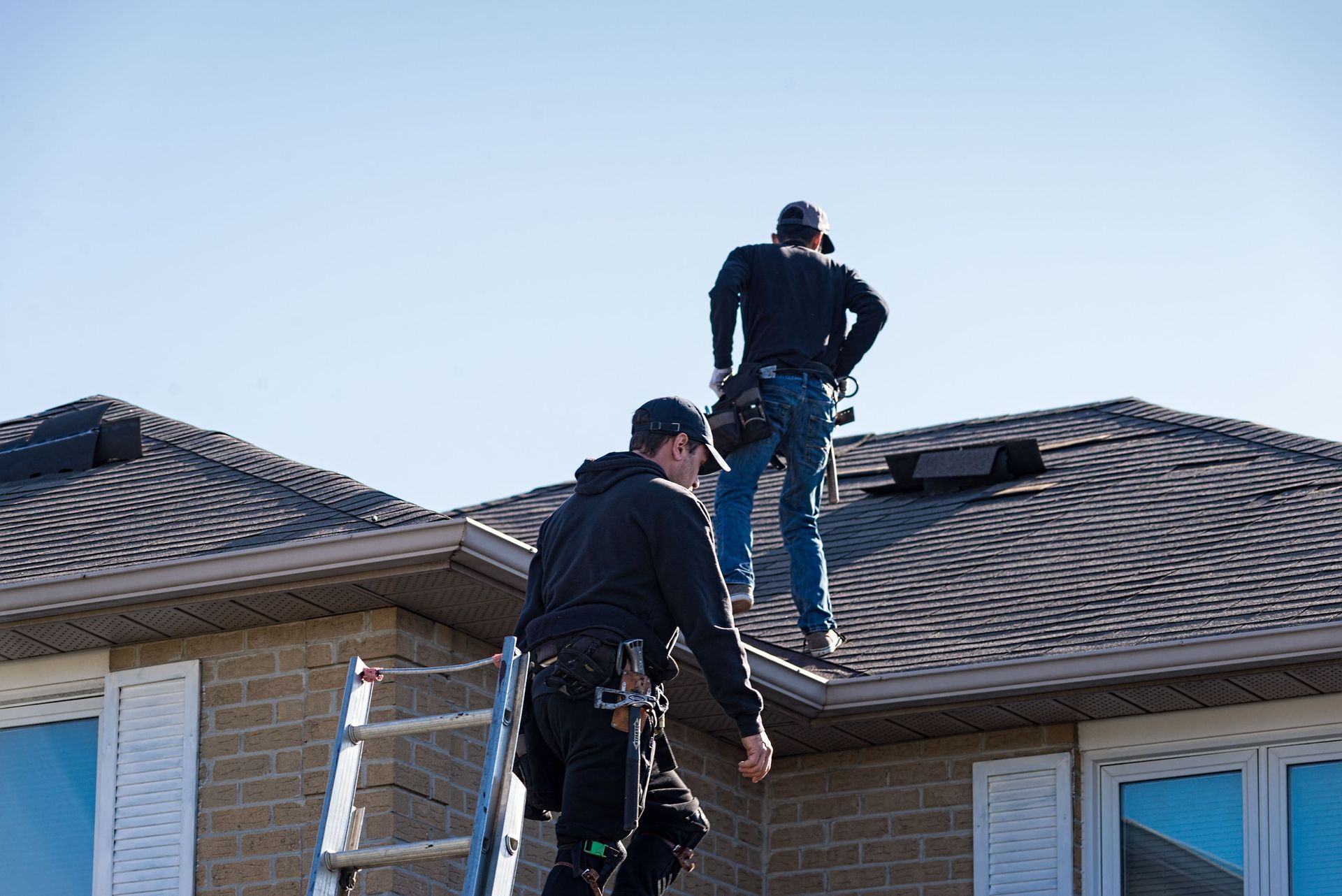
Roof problems are not always obvious from the ground. Missing shingles, lifted edges, cracked materials, damaged flashing, and deteriorated sealants may require a closer inspection. A roofing contractor can evaluate these visible conditions and determine whether they represent isolated damage or signs of a broader roofing issue.
Identifying Moisture Concerns
Water intrusion can sometimes begin before homeowners notice stains inside the house. Moisture may enter around penetrations, valleys, flashing, or damaged roofing materials. Professional inspection can help locate potential entry points and clarify whether water has affected the roof deck, attic, insulation, or nearby building materials.
Identifying Aging Materials
Roofing materials naturally change as they are exposed to years of weather. Granule loss, curling shingles, fading, brittleness, or other forms of wear can indicate that materials are aging. An inspection can help homeowners understand whether the roof still has useful service life or whether replacement planning should begin.
Identifying Structural Concerns
Some roofing problems extend beyond surface materials. Sagging sections, damaged decking, or repeated moisture exposure may point to deeper concerns. A professional can assess whether these conditions require further investigation and whether repairs must address structural components in addition to the visible roof covering.
Providing Targeted Roof Repairs
Repairing Damaged Shingles
High winds, falling debris, storms, and normal aging can damage individual shingles or small sections of roofing. A roofing contractor can determine whether localized repair is appropriate and replace damaged materials while evaluating the surrounding area for additional concerns that may not be immediately obvious.
Repairing Flashing Problems
Flashing helps protect vulnerable transitions around chimneys, walls, skylights, vents, and other roof penetrations. When flashing becomes loose, corroded, or damaged, moisture can reach areas beneath the roofing surface. Professional repair can address the affected transition and restore protection around these critical locations.
Repairing Small Leaks
A roof leak may begin with a relatively small opening but can eventually affect ceilings, insulation, framing, or interior finishes. Professional diagnosis is important because the location of an indoor water stain may not be directly beneath the actual roof entry point. Proper evaluation helps identify the source instead of only addressing visible interior symptoms.
Repairing Storm Damage
Severe weather can create sudden roofing problems through wind, hail, fallen branches, or heavy precipitation. Prompt inspection after a significant storm can reveal damage that might otherwise go unnoticed. Targeted repairs may help restore affected sections before additional weather exposure worsens the condition.
Providing Complete Roof Replacements
Evaluating Remaining Roof Life
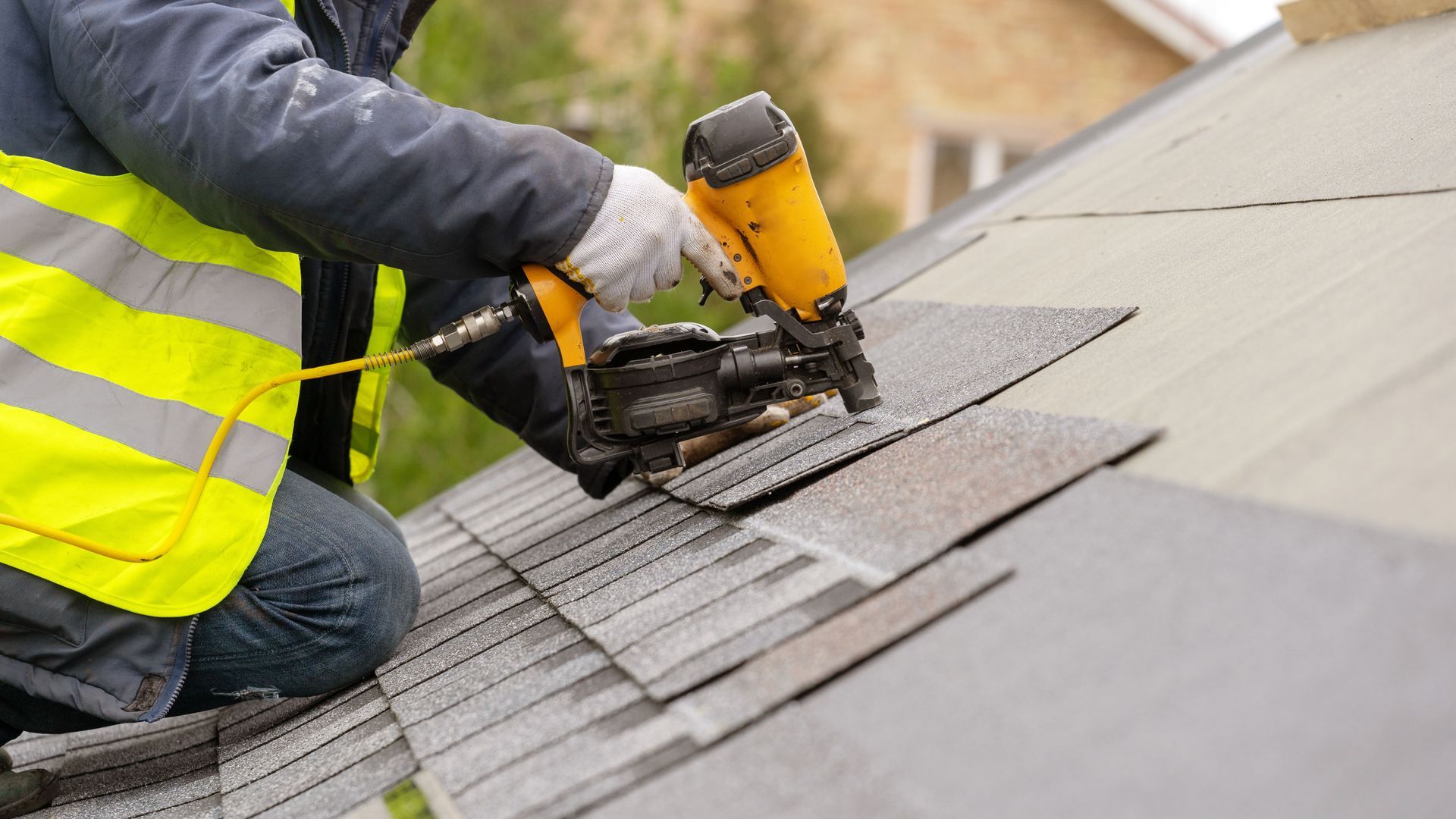
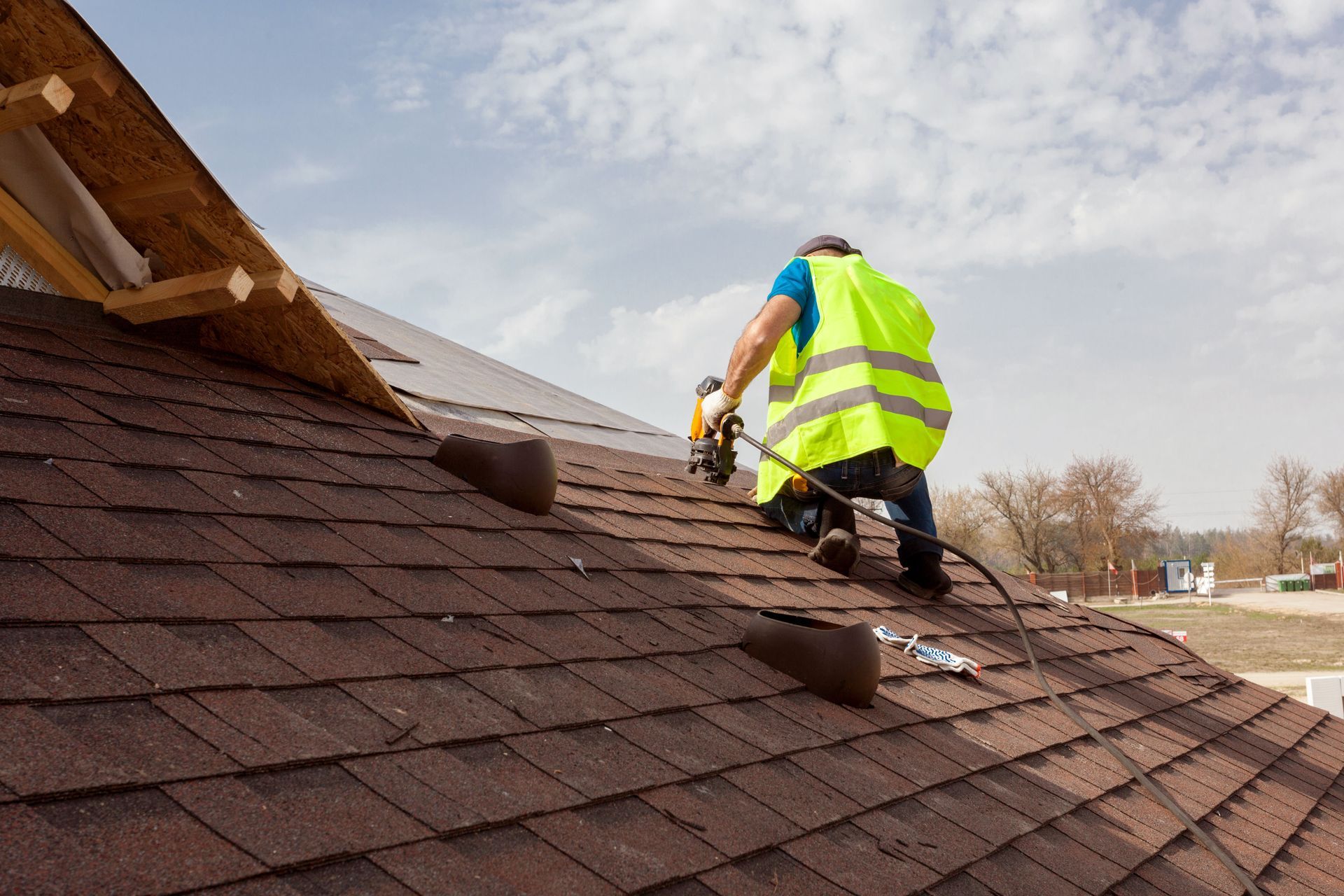
Repair is not always the most practical solution, particularly when roofing materials are extensively worn or recurring problems affect multiple areas. A roofing contractor can evaluate the age, condition, repair history, and overall performance of the existing roof to help determine whether replacement should be considered.
Selecting Appropriate Materials
A roof replacement creates an opportunity to review material options based on the home's architecture, local climate, budget, and long-term priorities. Asphalt shingles remain common, but product lines differ in appearance, durability, warranties, and performance characteristics. Professional guidance can make those differences easier to understand.
Addressing Underlying Conditions
Once old roofing materials are removed, the underlying deck and related components become more accessible for evaluation. This can reveal deterioration, moisture damage, or other conditions that were hidden beneath the finished surface. Addressing these issues before installing new roofing can help support the performance of the replacement system.
Coordinating the Full Roofing System
A roof consists of more than the visible shingles. Underlayment, flashing, ventilation, decking, drip edges, and other components work together as a system. Professional replacement considers how these elements interact so the new roof is installed as a coordinated assembly rather than as a simple surface covering.
Providing Preventive Roof Maintenance
Monitoring Changes Over Time
Routine maintenance helps homeowners identify gradual changes before they become major problems. A roofing contractor can compare current roof conditions with previous inspections and look for new wear, loose materials, damaged seals, or other developments that may deserve attention.
Maintaining Critical Roof Components
Areas around flashing, vents, penetrations, and roof transitions often deserve particular attention because they are common locations for moisture intrusion. Maintenance visits provide an opportunity to evaluate these areas and determine whether sealants, flashing, or surrounding materials show signs of deterioration.
Responding to Seasonal Wear
Different seasons can place different demands on a roof. Summer heat, winter temperature changes, strong winds, heavy rain, and storms can all contribute to material wear. Periodic professional evaluations help homeowners stay aware of how the roof is responding to local weather over time.
Supporting Longer-Term Planning
Maintenance can also help homeowners anticipate future expenses. Knowing that certain sections are aging or that replacement may be needed in several years provides more time to plan financially. This can make major roofing decisions feel less urgent and more manageable.
Providing Guidance for Long-Term Roof Performance
Explaining Repair Versus Replacement
Homeowners often want to know whether a problem can be repaired or whether replacing the roof makes more sense. A roofing contractor can compare the scope of damage, roof age, material condition, and repair history to explain which option may be more appropriate for the property.
Explaining Material Options
Roofing products vary considerably in appearance, lifespan, warranties, and cost. Professional guidance helps homeowners compare these characteristics without relying only on surface appearance. Understanding the differences among available products can support a more informed replacement decision.
Explaining Maintenance Needs
Different roofs may require different levels of attention based on material, age, slope, surrounding trees, and weather exposure. Professionals can explain what types of routine evaluation are appropriate and what warning signs should prompt a service call between scheduled inspections.
Explaining Future Priorities
Roofing decisions often need to account for both current needs and long-term plans. A homeowner preparing to remain in a property for decades may have different priorities than someone planning to sell soon. A qualified professional can help place immediate repairs, maintenance, and replacement planning within that broader context.
Roof repairs, full replacements, and preventive maintenance all play different roles in protecting a home, and knowing which service is appropriate depends on the condition of the roofing system. Professional inspections can reveal hidden problems, targeted repairs can address localized damage, and routine maintenance can help homeowners monitor aging materials before larger concerns develop. When replacement becomes necessary, expert guidance can also help with material selection and system planning. Homeowners who need dependable roofing assistance can contact Brian Coffey Construction & Roofing today to schedule service with an experienced roofing contractor and discuss the best solution for their property.